Village in the Shade The Eight Rules of Kagatsu
A practical reading of the village code — and why obedience is both comfort and a choice.
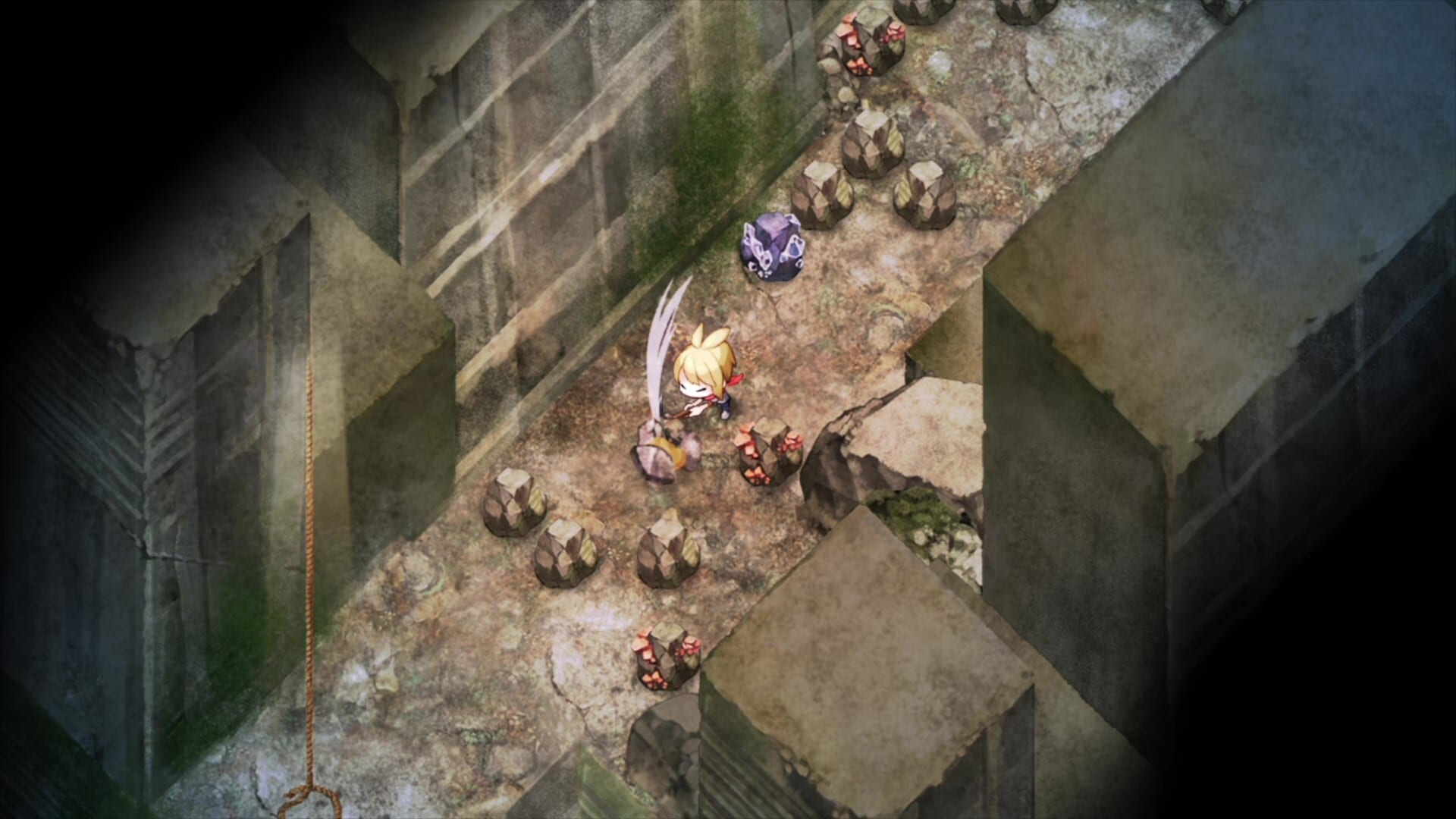
Kagatsu Village does not run on vague vibes alone. Official materials for Village in the Shade describe ancient customs that remain in force when the protagonist settles in. Players are told they must abide by the Eight Rules of Kagatsu. The village chief frames them as protection for a prosperous way of life. Trailers and interviews make the emotional pitch clearer: follow the code and countryside days stay gentle; break it and something older than the festival calendar may answer.
This guide collects what is publicly confirmed before and around the Japan and Asia launch window, explains how to live with the rules day to day, and points you toward systems pages when curiosity starts winning. It is not a spoiler sheet of every late-game revelation.
The Eight Rules (public list)
Japanese previews and official site copy confirm eight inherited rules for Kagatsu. Wording below follows publicly circulated translations; in-game text may vary slightly by locale:
- No going out after 11:00 p.m. — Curfew is the loudest marketing rule and the bridge to night content.
- Cooperate for the village — Community obligation over solo shortcuts.
- Do not approach strangers — Outsiders are treated as threats to insular survival.
- Do not expose others’ secrets — Social pressure keeps truth buried.
- Do not leave the village — Geographic containment of the mystery.
- Do not respond to voices from the mountain — Folklore hygiene against unseen callers.
- Do not search for lost items — Some belongings are meant to stay missing.
- Wishes require an appropriate price — Hints that bargains in Kagatsu are never free.
Trailers also shorthand three English marketing lines — strangers, borders, and never go out at night — which overlap with the list above but do not replace it.
Confirmed rule themes in practice
Publisher copy adds color around late-night knocks, empty streets after dark, and the sense that someone stands behind you even when the lanes look vacant. Treat the eight rules as planning constraints for your first week even if standard mode eventually tempts you to test them via night exploration.
Why the rules exist in the fiction
Kagatsu presents itself as an insular mountain community with inherited survival logic. Rules about strangers and lost objects sound like folklore hygiene. Rules about borders and night sound like containment. Whether those explanations are complete is part of the mystery. Your job as a new resident is to decide whether prosperity is worth the silence.
If you select Peaceful Life Mode, the game prevents you from breaking the code, which turns this page into cultural context rather than a danger manual. On standard play, this page is a safety briefing.
Daytime obedience habits
- Finish outdoor chores with a buffer before dusk. Stamina mismanagement is how players “accidentally” stay out late.
- Ignore suspicious knocks if you are not ready for night exploration.
- Do not chase every rumor about missing belongings on day one.
- Stay oriented using the Kagatsu map overview so “leaving the village” is a conscious act, not a wrong turn.
- Use festivals and neighbor chats from festivals and seasons and villagers to learn local expectations without breaking them.
What breaking rules can mean
Coverage of the horror side describes a shift from warm daylight farming to empty night streets, heartbeat audio cues familiar to Yomawari fans, sudden appearances, pursuits, and dark transitions that dump you back into morning disorientation. Some reports mention useful night-only finds and story clues waiting past curfew. That trade — skill or lore versus fear — is the core tension of standard mode.
Do not invent specifics the game has not shown. Instead, plan thresholds: clear your farm loop from farming and homestead, upgrade tools, and only then schedule a controlled rule break if you want one.
Rules versus Peaceful Life Mode
| Intent | Recommended path |
|---|---|
| Pure cozy sim | Peaceful Life Mode |
| Story secrets and night risk | Standard + careful rule breaks |
| Mixed household | Separate saves |
The mode compare tool spells out the same choice in checklist form. Getting Started sequences the decision before your first garden clear.
Social pressure and unreliable comfort
Villagers can seem kind while remaining quiet about the truth. That is not a multiplayer social system — Village in the Shade is single-player — but it is a narrative social system. Gifts and festival attendance may raise trust without unlocking full honesty. Read character notes on the Characters hub so you do not mistake friendliness for a free pass to ignore boards and curfews.
Post-Japan-launch honesty
Japan and Asia players can now verify in-game tooltips for all eight rules. Bookmark release platforms and known issues if a launch-week patch changes wording. This wiki will prefer storefront and patch accuracy over rumor.
Practical rule card for your desk
- Strangers: do not engage.
- Lost things: do not hunt them for sport.
- Borders: stay inside Kagatsu unless you accept the cost.
- Night: indoors unless you chose the horror route.
- Knocks: optional, not mandatory.
- Stamina: leave a reserve for walking home.
- Mode: lock Peaceful if you never want the test.
Live by that card for the first dozen days and Kagatsu’s quieter pleasures — brook walks, cherry blossoms, summer festival lights — stay the main memory. Break it only with a plan.
Continue through the Guides hub for farming, map, and night pages that reference these rules without contradicting them.
Frequently Asked Questions
Quick answers about Kagatsu Village life and the wiki.
How many rules does Kagatsu have?
Official materials refer to Eight Rules. Trailers highlight several key taboos; learn the full list in-game.
What happens if I go out at night?
In standard play, night can introduce horror tension, audio cues, and story risks. Peaceful Life Mode prevents rule-breaking.
Are the rules optional flavor?
No. They are a core design pillar separating cozy days from optional dread.
Do I need the rules in Peaceful Life Mode?
You should still understand them for story and world context, even if you cannot break them.
Where should I go after reading this?
Read Getting Started and Peaceful Life Mode, or Night Exploration if you plan controlled rule breaks.